A bursa can become infected when bacteria or other microorganisms in the body enter the bursal sac and multiply. The microorganism may come from: Outside the body. Microorganisms can enter the bursa through a cut, scrape, puncture, bug bite, or other means.
How do you treat an infected bursa?
Treatment
- Medication. If the inflammation in your bursa is caused by an infection, your doctor might prescribe an antibiotic.
- Therapy. Physical therapy or exercises can strengthen the muscles in the affected area to ease pain and prevent recurrence.
- Injections. ...
- Assistive device. ...
- Surgery.
How do you know if you have an infection in your bursa?
Are you showing signs of infection? Extreme warmth or redness of the skin over the bursa, extreme tenderness at the joint, fever or chills, and a general feelings of sickness are more likely to occur if you have septic bursitis.
What happens if bursitis is left untreated?
Chronic pain: Untreated bursitis can lead to a permanent thickening or enlargement of the bursa, which can cause chronic inflammation and pain. Muscle atrophy: Long term reduced use of joint can lead to decreased physical activity and loss of surrounding muscle.
What does inflamed bursa feel like?
If you have bursitis, the affected joint might: Feel achy or stiff. Hurt more when you move it or press on it. Look swollen and red.
30 related questions foundWhat can be mistaken for bursitis?
Bursitis is often mistaken for arthritis because joint pain is a symptom of both conditions. There are various types of arthritis that cause joint inflammation, including the autoimmune response of rheumatoid arthritis or the breaking down of cartilage in the joints in degenerative arthritis.
What do doctors prescribe for bursitis?
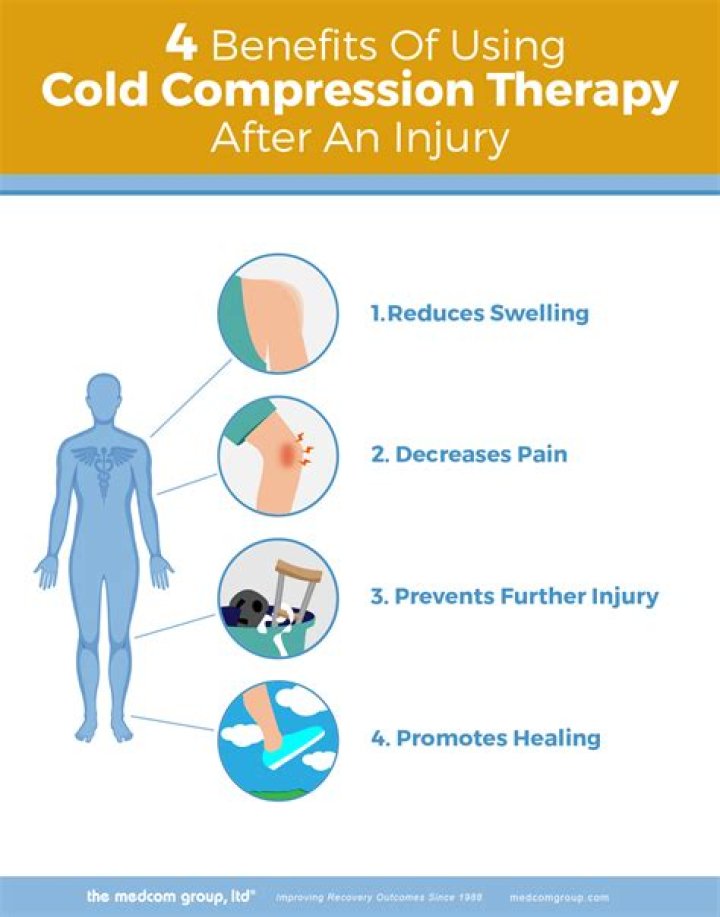
Most cases of bursitis will resolve by resting, compressing, and icing the affected joint. Medications, such as nonsteroidal anti-inflammatory drugs (NSAIDs) and corticosteroids can be used to relieve swelling and pain as the joint heals.
Why are all my bursa inflamed?
The most common causes of bursitis are injury or overuse, but it can also be caused by infection. Pain, swelling, and tenderness near a joint are the most common signs of bursitis. Bursitis can be treated with rest and medicines to help with the inflammation. Antibiotics are used if infection is found.
How long does a bursa sac take to heal?
Elbow bursitis in inflammation in the olecranon bursa — the fluid-filled sac that protects and cushions your elbow joint. It's usually caused by overuse from your job or activities like sports. You'll probably only need at-home treatments to help your bursa heal. Most people recover in three to six weeks.
What happens if a bursa sac bursts?
If the bursitis is left untreated, the fluid filled sack has the potential to rupture. This could then lead to an infection of the surrounding skin.
How do you know if bursitis is septic?
The symptoms of septic bursitis include:
- Local joint pain.
- Swollen joint.
- Joint warmth and redness.
- Bursa tenderness.
- Fever.
- General feeling of sickness.
Why is bursitis so painful?
Bursitis is the painful swelling of bursae. Bursae are fluid-filled sacs that cushion your tendons, ligaments, and muscles. When they work normally, bursae help the tendons, ligaments, and muscles glide smoothly over bone. But when the bursae are swollen, the area around them becomes very tender and painful.
What is the fastest way to cure bursitis?
Apply ice 10 to 15 minutes at a time, as often as twice an hour, for 3 days (72 hours). You can try heat, or alternating heat and ice, after the first 72 hours. Use pain relievers. Use nonsteroidal anti-inflammatory drugs (NSAIDs), such as ibuprofen or naproxen, to reduce pain and inflammation.
Can you get sepsis from bursitis?
Septic (or infectious) bursitis occurs when infection from either direct inoculation (usually superficial bursa) or hematogenous or direct spread from other sites (deep bursa involvement) causes inflammatory bursitis. Septic bursitis can be acute, subacute, or recurrent/chronic.
Will antibiotics cure bursitis?
Patients with suspected septic bursitis should be treated with antibiotics while awaiting culture results. Superficial septic bursitis can be treated with oral outpatient therapy. Those with systemic symptoms or who are immunocompromised may require admission for intravenous (IV) antibiotic therapy.
Can you pop a bursa sac?
Draining the bursa
A doctor can puncture the bursa with a hollow needle (cannula) to draw out the excess fluid. But this technique is usually not a permanent solution – even when repeated several times: The fluid quickly fills up again, and each time it is drained there is a risk that bacteria could infect the bursa.
Is bursitis serious?
When a bursa is infected, it is called septic bursitis. Septic bursitis typically affects bursae located at the knee and elbow joints. Unlike aseptic (non-infectious) bursitis, septic bursitis is a potentially serious medical condition and prompt medical attention is advisable.
Is walking good for bursitis?
Avoid High-Impact Activities. Running and jumping can make hip pain from arthritis and bursitis worse, so it's best to avoid them. Walking is a better choice, advises Humphrey.
Does Voltaren Gel help bursitis?
When to use? Voltaren Emulgel is used to treat pain and inflammation of muscles, joints, tendons and ligaments, due to sprains and strains, sports injuries (eg. tennis elbow) and soft tissue rheumatism (eg. bursitis; tendinitis).
Why does bursitis hurt more at night?
Bursitis in the shoulder is a common culprit of nighttime shoulder pain because laying on your side can compress the bursa, increasing the level of pain you'd normally feel with the bursitis.
What autoimmune disease causes bursitis?
Dermatomyositis (DM) is a chronic autoimmune disease involving muscles and skin as the main target of inflammation (1).
Can bursitis be non painful?
Some acute bursitis will produce pain with flexion of the affected joint, but there will be no pain on extension (these findings are commonly seen with prepatellar and olecranon bursitis). Contrary to the physical exam findings in acute bursitis, chronic bursitis is often painless.
Does bursitis show up on xray?
The doctor may order an x-ray to rule out bone problems or arthritis. An x-ray will not show tendons or bursae. An MRI may be used to confirm a tear in a tendon or bursa.
What infections cause bursitis?
The most common causative organism is Staphylococcus aureus (80% of cases), followed by streptococci. However, many other organisms have been implicated in septic bursitis, including mycobacteria (both tuberculous and nontuberculous strains), fungi (Candida), and algae (Prototheca wickerhamii).
What fluid is in a bursa?
Bursa Membrane and Fluid
The synovial membrane forms a bursa's enclosed sac. A healthy synovial membrane is very thin, often just a few cells thick. The membrane produces the synovial fluid that is contained it the sac. The synovial fluid is a viscous, slippery, lubricating fluid.