When you have arthritis, movement can decrease your pain and stiffness, improve your range of motion, strengthen your muscles, and increase your endurance.
Does arthritis hurt all the time or only when you move?
Pain from arthritis can be ongoing or can come and go. It may occur when you're moving or after you have been still for some time. You may feel pain in one spot or in many parts of your body. Your joints may feel stiff and be hard to move.
Why does moving help arthritis?
Movement helps your joints be healthier. First, movement increases the synovial fluid in your joints which basically acts like oil that helps the joints move smoother. Second, exercise increases circulation in the body which increases circulation to the joints bringing good oxygen and nutrients to the joints.
Does arthritis hurt at rest?
The main symptoms of osteoarthritis are pain and sometimes stiffness in the affected joints. The pain tends to be worse when you move the joint or at the end of the day. Your joints may feel stiff after rest, but this usually wears off fairly quickly once you get moving. Symptoms may vary for no obvious reason.
How do you know if pain is arthritis or something else?
Joint pain, swelling and tenderness for 6 weeks or longer. Morning stiffness for at least 30 minutes. More than one joint affected, especially small joints in your hands, wrists, and feet. The same joints on both sides of the body are affected.
28 related questions foundDoes arthritis hurt all the time?
Pain is chronic when it lasts three to six months or longer, but arthritis pain can last a lifetime. It may be constant, or it may come and go. Chronic pain can make it hard to perform daily activities like cleaning the house, dressing, or looking after your kids.
What is the best painkiller for arthritis?
Nonsteroidal anti-inflammatory drugs called NSAIDs help relieve joint swelling, stiffness, and pain -- and are among the most commonly used painkillers for people with any type of arthritis. You may know them by the names such as ibuprofen, naproxen, Motrin, or Advil.
What does arthritis in legs feel like?
Discomfort can occur in the affected legs, thighs, calves, hips, buttocks, or feet. In addition to pain, other common sensations are heaviness, numbness, or aching in the leg muscles. Rest usually helps.
Does arthritis move around the body?
Migratory Arthritis is when arthritis pain spreads from one joint and begins to impact another. Usually this type of arthritis affects those who live with Osteoarthritis or Rheumatoid Arthritis, although those with other conditions (such as Lupus) may also experience Migratory Arthritis.
Is arthritis pain sharp or dull?
Reported joint pain from osteoarthritis ranges from dull and aching to sharp and piercing. The pain may worsen during movement. It is also possible for the pain to lessen during activity and then worsen after the activity ends, as joints cool down. As symptoms progress, the pain may be felt almost constantly.
Does walking make arthritis worse?
You may worry that a walk will put extra pressure on your joints and make the pain worse. But it has the opposite effect. Walking sends more blood and nutrients to your knee joints. This helps them feel better.
Does osteoarthritis get better with movement?
It can last more than 30 minutes if there is inflammation in the joint. It often improves after activity, allowing the joint to "warm up." During the day, the pain may get worse when you are active and feel better when you are resting. As OA gets worse, you may have pain even when you are resting.
Does staying active help arthritis?
If you have arthritis, participating in joint-friendly physical activity can improve your arthritis pain, function, mood, and quality of life. Joint-friendly physical activities are low-impact, which means they put less stress on the body, reducing the risk of injury.
Does arthritis pain get worse at night?
Many people notice that their arthritis symptoms get worse at night. When this occurs, it can be hard for people to sleep, leaving them exhausted in the morning and potentially contributing to daytime pain or fatigue. It is common for pain to get worse at night.
Does arthritis hurt to touch?
Swelling, warmth and redness
The lining of joints affected by rheumatoid arthritis become inflamed, which can cause the joints to swell, and become hot and tender to touch. In some people, firm swellings called rheumatoid nodules can also develop under the skin around affected joints.
Does arthritis show up on xrays?
X-Ray. X-rays give a two-dimensional picture of your joints. They show joint space narrowing (a sign of arthritis), erosions, fractures, lower-than normal bone density and bone spurs.
Can arthritis pain move from joint to joint?
Migratory arthritis occurs when pain spreads from one joint to another. In this type of arthritis, the first joint may start to feel better before pain starts in a different joint. Although migratory arthritis can affect people who have other forms of arthritis, it can also result from a serious illness.
What does an arthritis flare up feel like?
An RA flare can involve an exacerbation of any symptom of the disease, but most commonly it's characterized by intense pain and stiffness in the joints. Flares are often severe enough to interfere with everyday tasks, such as: getting dressed, grooming, and bathing. preparing meals.
What are the symptoms of an arthritis flare up?
Since osteoarthritis (OA) is a degenerative disorder and gets worse over time, it may be hard to tell a flare from disease progression You might have increased joint pain, swelling, stiffness, and reduced range of motion. The most common triggers of an OA flare are overdoing an activity or trauma to the joint.
Does arthritis pain radiate down the leg?
Hip pain may sometimes radiate or be referred to the knee or lower in the leg. Pain in the lower limb(s) is usually associated with joint stiffness and makes daily activities hard to perform.
How long does an arthritis flare up last?
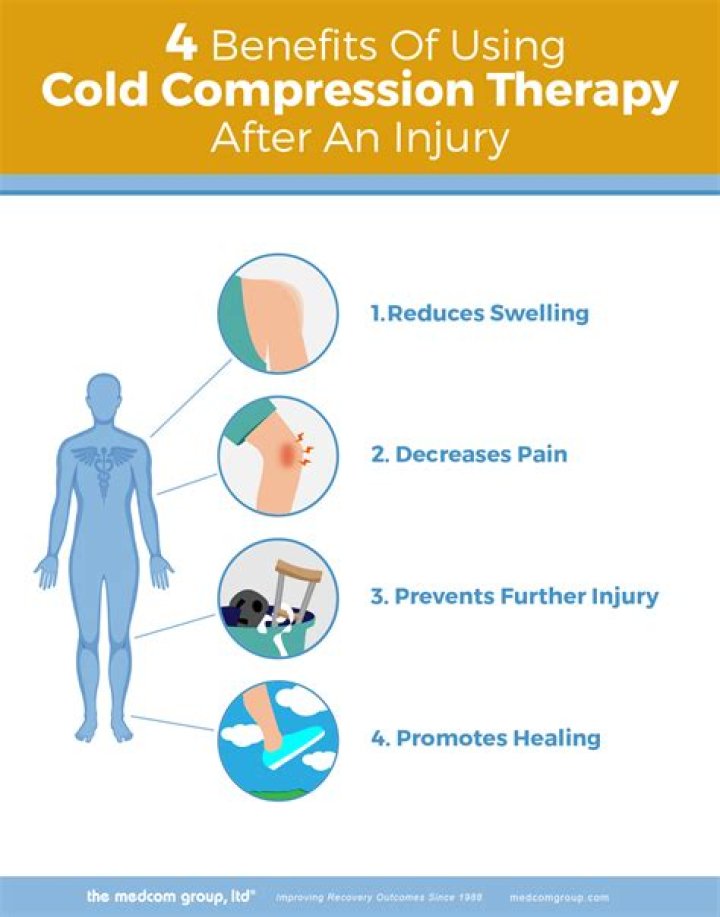
Arthritis flare-ups can be variable, but they generally last three to five days with conservative care. Home care can include anti-inflammatory medicines, changing activities, and using ice, compression, or bracing.
Can arthritis make your legs ache?
Arthritis pain: Joint pain from arthritis is primarily associated with inflammation. Leg pain related to various types of arthritis (osteoarthritis, rheumatoid arthritis, infectious arthritis, gout, bursitis, and tendonitis) may affect one or more joints or other parts of the musculoskeletal system.
Is heat or ice better for arthritis?
For an acute injury, such as a pulled muscle or injured tendon, the usual recommendation is to start by applying ice to reduce inflammation and dull pain. Once inflammation has gone down, heat can be used to ease stiffness. For a chronic pain condition, such as osteoarthritis, heat seems to work best.
What is the fastest way to cure arthritis?
Use hot and cold therapy
Heat and cold treatments can help relieve arthritis pain and inflammation. Heat treatments can include taking a long, warm shower or bath in the morning to help ease stiffness and using an electric blanket or moist heating pad to reduce discomfort overnight.
Is CBD good for arthritis?
A 2017 study found that CBD might be a safe and useful treatment option for joint pain associated with osteoarthritis. A 2016 study found that the topical application of CBD had the potential to relieve pain and inflammation associated with arthritis.