A sensory seeker may:
- Stand too close when talking to others and not have a good sense of personal space. ...
- Have an unusual tolerance for pain.
- Walk with loud, heavy steps.
- Enjoy jumping, hopping, and bumping and crashing into things and people — sometimes to the point of being unsafe.
- Not know their own strength.
What does sensory seeking look like?
If your child has a sensory processing disorder, he or she may be sensory craving or seeking intense input. We call kids like this Sensory Seekers – they are highly interested in movement, lights, colors, sounds, smells, and tastes that excites them.
What are sensory seeking behaviors examples?
Examples of Sensory Seeking Behaviors
Dumping toy bins rummaging through them aimlessly. Chewing on objects or clothing. Rubbing against walls or furniture and bumping into people. Loves spinning in circles, amusement rides, and is constantly moving.
What does a child with sensory issues look like?
Kids with sensory processing issues behave in ways that look confusing. They might react strongly to loud noises or bright lights, or complain that their clothes are uncomfortable. They may be clumsy or have trouble with fine motor skills like fastening buttons.
What causes sensory seeking behavior?
Children who have sensory processing disorder can experience sensory input in different ways. While some children get overloaded by their sensory input, others feel as though their senses are understimulated, and this can lead to sensory seeking behavior.
19 related questions foundHow do you calm a sensory child seeking?
Sensory Seeking Activities
- Use an air cushion for movement while your child stays seated during school work.
- Have your child perform work activities like pushing a shopping cart, carrying groceries, or pulling a wagon.
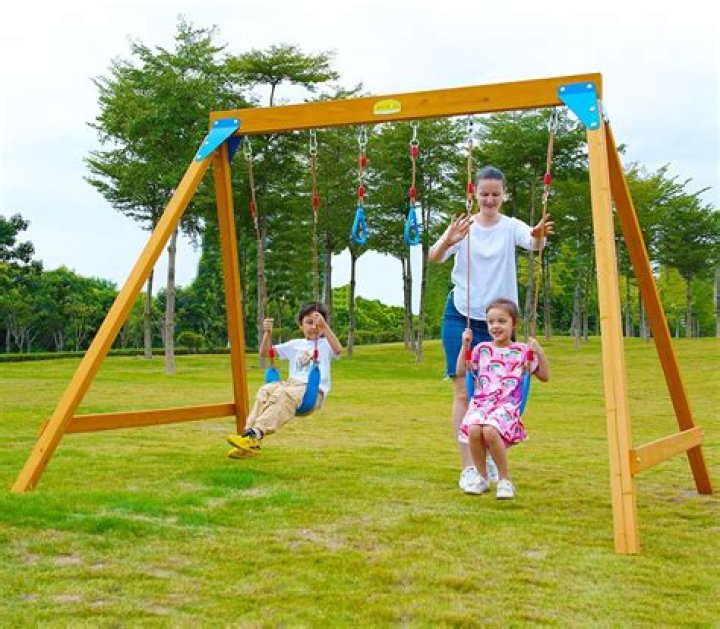
- Encourage them to play on the playground on climbing equipment or by sliding or swinging.
Do kids grow out of sensory seeking behavior?
In the less severe cases, a child may just have an immature sensory system. Thus, he or she will be able to outgrow it as they develop and their sensory system matures. However, sometimes the disorder is permanent, and the child must learn to develop coping strategies.
Is sensory seeking part of ADHD?
The sensory processing problem in ADHD is reported in both of the physiological and parent-reported measures. The sensory processing problem is not gender related but it is associated with age. Specific sensory symptoms are correlated with particular behavioral problems such as aggression and delinquency in ADHD.
Can sensory Seeking be cured?
There's no cure for sensory issues. Some children may experience fewer issues with age, while others may just learn to cope with the experiences.
What are some sensory seeking behaviors in a toddler?
Common symptoms of sensory seeking include:
- Watching as others move around the room.
- Constantly touching people or objects.
- Being unable to sit still.
- Constantly being on the go.
- Jumping, spinning, or rocking.
- Fidgeting with anything within reach.
- Frequently picking at fingers.
- Taking risks on the playground.
Can toddlers grow out of sensory issues?
We simply do not have evidence that children can “outgrow” SPD if it is left untreated. In fact, there is evidence to the contrary. Research has shown a strong correlation between SPD symptoms in childhood and adulthood (Rosenthal, M.Z., 2013).
Are you born with sensory processing disorder?
Preliminary research suggests that SPD is often inherited. If so, the causes of SPD are coded into the child's genetic material. Prenatal and birth complications have also been implicated, and environmental factors may be involved.
What are the 3 patterns of sensory processing disorders?
Subtypes of SPD Explained
- Summary of Sensory Processing Disorder Subtypes.
- Pattern 1: Sensory Modulation Disorder.
- Pattern 2: Sensory-Based Motor Disorder.
- Pattern 3: Sensory Discrimination Disorder.
Can sensory issues get worse with age?
3. Can it become worse as one ages? SPD becomes worse with injuries and when with normal aging as the body begins to become less efficient. So, if you always had balance problems and were clumsy, this can become more of a problem in your senior years.
What is a sensory meltdown?
A sensory meltdown is a fight, flight or freeze response to sensory overload. It is often mistaken for a tantrum or misbehaviour. The main way to be able to tell the difference between a tantrum and a sensory meltdown is that tantrums have a purpose.
What is the most common sensory disorder?
Common Sensory System Conditions
- Blindness/Visual Impairment.
- Cataracts.
- Deafness.
- Glaucoma.
- Microphthalmia.
- Nystagmus.
- Ptosis.
- Sensory Processing Disorder.
Is sensory seeking a form of autism?
Myth #7: Sensory processing issues are a form of autism spectrum disorder. Fact: Having sensory processing issues isn't the same thing as having autism spectrum disorder. But sensory challenges are often a key symptom of autism.
What are examples of sensory issues?
What are Examples of Sensory Issues?
- Being easily overwhelmed by places and people.
- Being overwhelmed in noisy places.
- Seeking quiet spots in crowded environments.
- Being easily startled by sudden noises.
- Refusing to wear itchy or scratchy clothes.
- Responding extremely to sudden noises that may seen unoffensive to others.
Can you fix sensory processing disorder?
“In the majority of people, sensory issues resolve on their own, or become significantly milder and less interfering as a child grows,” explains Wendy Nash, MD, a child and adolescent psychiatrist. A physician who is trained to diagnose, treat and prevent psychiatric disorders.
How do you treat sensory processing disorder at home?
5 Tips for Managing Sensory Processing Disorder at Home
- Make a safe space. Children who are easily overwhelmed need a place they can go to calm down and feel comfortable. ...
- Put together a comfort kit. ...
- Establish a signal. ...
- Go slow. ...
- Find alternatives.
How do I know if my 4 year old has sensory issues?
Being very sensitive to the fit and texture of clothing, for example, refusing to wear anything with a tag or anything that feels “wrong” Refusing to brush their teeth or hair, or avoiding other activities that involve the senses, like haircuts. Not enjoying cuddles or touch, especially when it's unexpected.
How do you teach a sensory child seeking?
Try a sensory diet, or provide regular access to sensory-seeking activities in a safer or more appropriate form. Give access to sensory-seeking activities after learning activities in a 'first…then…” format. Teach your child to ask for sensory needs rather than use inappropriate behavior.
What do you do during a sensory meltdown?
That is after all what a child needs most during a sensory meltdown.
- Identify and remove sensory triggers. ...
- Try distracting your child. ...
- Make your child feel safe. ...
- Remove any dangerous objects. ...
- Invest in a good weighted blanket. ...
- Carry a pair of noise-canceling headphones. ...
- Put together an emergency meltdown kit. ...
- Stay calm.
What activities are good for sensory processing disorder?
Indoor or outdoor trampolines, swings, ride-on or rocking toys and seesaws are all helpful. The Wilbarger Brushing Protocol also known as DPPT is a very specific technique used for tactile defensiveness and sometimes other sensory processing challenges.
How do you test for sensory disorders?
Currently the standardised assessment tool used to diagnose Sensory Processing Disorder is the Sensory Integration and Praxis Tests. This consists of 17 tests that are used to test several aspects of sensory processing.