Do a physical exam. Your doctor will check for swollen joints, tenderness, redness, warmth, or loss of motion in the joints. Use imaging tests like X-rays. These can often tell what kind of arthritis you have.
How do you tell the difference between osteoarthritis and rheumatoid arthritis?
The main difference between osteoarthritis and rheumatoid arthritis is the cause behind the joint symptoms. Osteoarthritis is caused by mechanical wear and tear on joints. Rheumatoid arthritis is an autoimmune disease in which the body's own immune system attacks the body's joints. It may begin any time in life.
What is the most painful type of arthritis?
Rheumatoid arthritis can be one of the most painful types of arthritis; it affects joints as well as other surrounding tissues, including organs. This inflammatory, autoimmune disease attacks healthy cells by mistake, causing painful swelling in the joints, like hands, wrists and knees.
Can you tell me the different types of arthritis?
Osteoarthritis occurs when the smooth cartilage joint surface wears out. Osteoarthritis usually begins in an isolated joint. Rheumatoid arthritis is an autoimmune disease, which means that the immune system malfunctions and attacks the body instead of intruders.
What arthritis do I have?
The most common types of arthritis are osteoarthritis and rheumatoid arthritis. Osteoarthritis causes cartilage — the hard, slippery tissue that covers the ends of bones where they form a joint — to break down.
18 related questions foundCan you make arthritis go away?
Does arthritis go away? No, but it can be managed. There is no cure for arthritis. However, treatment advances can help to minimize pain, improve range of motion, and prevent further damage.
What are 5 symptoms of arthritis?
5 Telltale Symptoms of Arthritis
- Chronic joint pain. Joint pain that lingers on or regularly flares up is the primary symptom of arthritis. ...
- Joint stiffness. Joint stiffness is also very common when you have arthritis. ...
- Swelling around joints. ...
- Joint redness. ...
- Decreased range of motion.
What are the 3 types of arthritis?
Arthritis Types
- Osteoarthritis.
- Rheumatoid Arthritis (RA)
- Childhood Arthritis.
Does arthritis hurt all the time?
Pain is chronic when it lasts three to six months or longer, but arthritis pain can last a lifetime. It may be constant, or it may come and go. Chronic pain can make it hard to perform daily activities like cleaning the house, dressing, or looking after your kids.
What does arthritis pain feel like?
In general, the first sign of arthritis is pain, also called arthralgia. This can feel like a dull ache or a burning sensation. Often, pain starts after you've used the joint a lot, for example, if you've been gardening or if you just walked up a flight of stairs. Some people feel soreness first thing in the morning.
How do doctors test you for arthritis?
Laboratory tests
The analysis of different types of body fluids can help pinpoint the type of arthritis you may have. Fluids commonly analyzed include blood, urine and joint fluid. To obtain a sample of joint fluid, doctors cleanse and numb the area before inserting a needle in the joint space to withdraw some fluid.
What are the 4 types of arthritis?
The five main types of arthritis
- Osteoarthritis. Osteoarthritis is the most common type of arthritis. ...
- Rheumatoid arthritis. Rheumatoid arthritis (RA) is an autoimmune disease. ...
- Psoriatic arthritis. Psoriatic arthritis (PA) is typically seen in people who have psoriasis, an autoimmune skin condition. ...
- Fibromyalgia. ...
- Gout.
What causes arthritis to flare up suddenly?
The most common triggers of an OA flare are overdoing an activity or trauma to the joint. Other triggers can include bone spurs, stress, repetitive motions, cold weather, a change in barometric pressure, an infection or weight gain.
What are the 4 stages of osteoarthritis?
The main stages of OA are:
- Stage 0 (pre-osteoarthritis)
- Stage 1 (early or doubtful)
- Stage 2 (mild or minimal)
- Stage 3 (moderate)
- Stage 4 (severe)
What are the four stages of rheumatoid arthritis?
Four Stages and Progression of Rheumatoid Arthritis. Rheumatoid arthritis (RA) affects different people in different ways. It can be mild, moderate, or severe, and symptoms vary from person to person.
Which is more painful osteoarthritis or rheumatoid arthritis?
RA is symmetrical, where a patient feels symptoms in the same spot on both sides of the body, often in the joints in the feet and hands. Osteoarthritis, in contrast, begins in an isolated joint, often in the knee, fingers, hands, spine and hips. While both sides may hurt, one side is more painful.
What is the best painkiller for arthritis?
Nonsteroidal anti-inflammatory drugs called NSAIDs help relieve joint swelling, stiffness, and pain -- and are among the most commonly used painkillers for people with any type of arthritis. You may know them by the names such as ibuprofen, naproxen, Motrin, or Advil.
What does arthritis in legs feel like?
Discomfort can occur in the affected legs, thighs, calves, hips, buttocks, or feet. In addition to pain, other common sensations are heaviness, numbness, or aching in the leg muscles. Rest usually helps.
Does arthritis show up on xrays?
X-Ray. X-rays give a two-dimensional picture of your joints. They show joint space narrowing (a sign of arthritis), erosions, fractures, lower-than normal bone density and bone spurs.
What type of arthritis comes on suddenly?
Acute arthritis is a term that refers to rapid or sudden onset of joint inflammation and pain. Acute arthritis can be caused by several processes, including autoimmune diseases. Autoimmune diseases occur when the body mistakenly attacks healthy cells and tissues, causing inflammation.
Which type of arthritis is an autoimmune disease?
Rheumatoid arthritis is an autoimmune disease. Normally, your immune system helps protect your body from infection and disease. In rheumatoid arthritis, your immune system attacks healthy tissue in your joints. It can also cause medical problems with your heart, lungs, nerves, eyes and skin.
At what age does arthritis usually start?
The typical age for developing rheumatoid arthritis (RA) is between ages 30 and 50. It can, however, affect children, teens, and younger adults. Osteoarthritis (OA) commonly develops after the age 50 or 60 years, but there are studies that reveal radiographic evidence of OA occurring in women in their 40s.
How do you stop arthritis from progressing?
Slowing Osteoarthritis Progression
- Maintain a Healthy Weight. Excess weight puts additional pressure on weight-bearing joints, such as the hips and knees. ...
- Control Blood Sugar. ...
- Get Physical. ...
- Protect Joints. ...
- Choose a Healthy Lifestyle.
Why do you get arthritis?
Arthritis is caused by inflammation of the joints. Osteoarthritis usually comes with age and most often affects the fingers, knees, and hips. Sometimes osteoarthritis follows a joint injury. For example, you might have badly injured your knee when young and develop arthritis in your knee joint years later.
Is heat or cold better for arthritis?
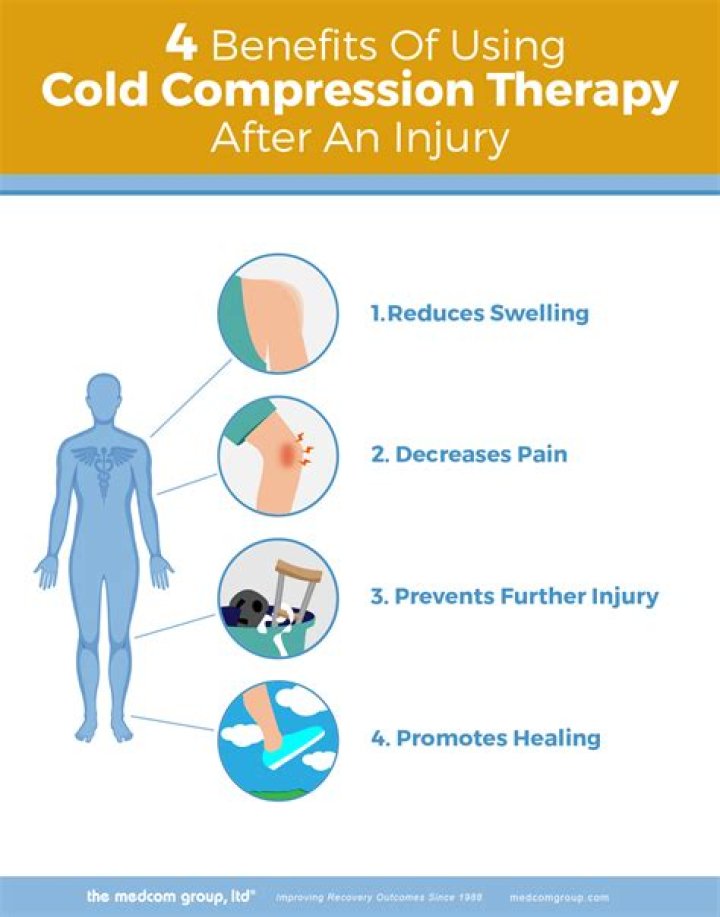
Use heating pads for no more than 20 minutes at a time. Use of cold, such as applying ice packs to sore muscles, can relieve pain and inflammation after strenuous exercise.