As long as you do the right type and level of exercise for your condition, your arthritis won't get any worse. Combined with a healthy, balanced diet, regular exercise will help you lose weight and place less strain on your joints. Your GP can recommend the type and level of exercise that's right for you.
How do you stop arthritis from progressing?
Slowing Osteoarthritis Progression
- Maintain a Healthy Weight. Excess weight puts additional pressure on weight-bearing joints, such as the hips and knees. ...
- Control Blood Sugar. ...
- Get Physical. ...
- Protect Joints. ...
- Choose a Healthy Lifestyle.
Can you make arthritis go away?
Does arthritis go away? No, but it can be managed. There is no cure for arthritis. However, treatment advances can help to minimize pain, improve range of motion, and prevent further damage.
What is the most effective treatment for arthritis?
NSAIDs. According to the American College of Rheumatology and the Arthritis Foundation (ACR/AF), nonsteroidal anti-inflammatory drugs (NSAIDs) are one of the most effective OTC remedies for managing osteoarthritis pain.
How can you make arthritis not worse?
How to reduce your risk of arthritis
- Stay at a healthy weight. Extra pounds put pressure on weight-bearing joints like hips and knees. ...
- Control your blood sugar. ...
- Exercise. ...
- Stretch. ...
- Avoid injury. ...
- Quit smoking. ...
- Eat fish twice a week. ...
- Get routine preventive care.
Can walking make arthritis worse?
You may worry that a walk will put extra pressure on your joints and make the pain worse. But it has the opposite effect. Walking sends more blood and nutrients to your knee joints. This helps them feel better.
Is walking good for arthritis?
Walking is recommended for people with arthritis as it's low impact, helps to keep the joints flexible, helps bone health and reduces the risk of osteoporosis. If you do experience pain or you're very stiff afterwards try doing a bit less, factor in more rest and check in with your GP, if you need to.
What causes arthritis to flare up?
The most common triggers of an OA flare are overdoing an activity or trauma to the joint. Other triggers can include bone spurs, stress, repetitive motions, cold weather, a change in barometric pressure, an infection or weight gain.
What really causes arthritis?
Most forms of arthritis are thought to be caused by a fault in the immune system that causes the body to attack its own tissues in the joints. This may be inherited genetically. Other forms of arthritis can be caused by problems with the immune system or by a metabolic condition, such as gout.
At what age does arthritis usually start?
It most commonly starts among people between the ages of 40 and 60. It's more common in women than men. There are drugs that can slow down an over-active immune system and therefore reduce the pain and swelling in joints.
How can I reverse arthritis naturally?
Join now.
- Manage your weight. Your weight can have a big impact on arthritis symptoms. ...
- Get enough exercise. If you have arthritis, exercise can help you: ...
- Use hot and cold therapy. ...
- Try acupuncture. ...
- Use meditation to cope with pain. ...
- Follow a healthy diet. ...
- Add turmeric to dishes. ...
- Get a massage.
What are 5 symptoms of arthritis?
5 Telltale Symptoms of Arthritis
- Chronic joint pain. Joint pain that lingers on or regularly flares up is the primary symptom of arthritis. ...
- Joint stiffness. Joint stiffness is also very common when you have arthritis. ...
- Swelling around joints. ...
- Joint redness. ...
- Decreased range of motion.
What are the 3 types of arthritis?
Arthritis Types
- Osteoarthritis.
- Rheumatoid Arthritis (RA)
- Childhood Arthritis.
How do you calm an arthritis flare up?
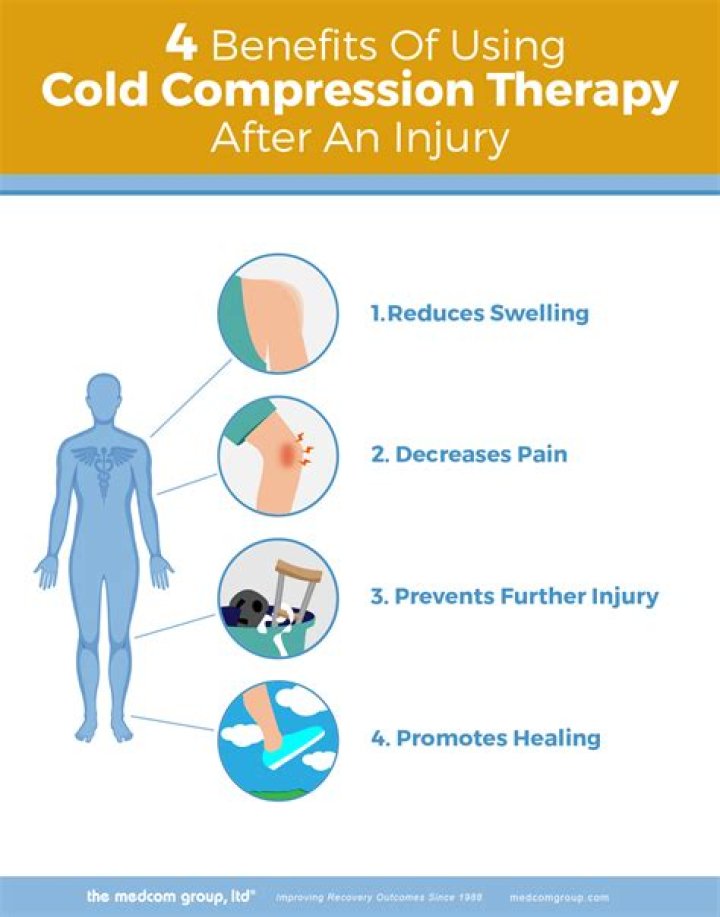
Hot and cold compresses can help ease the pain of an arthritis flare. Heat soothes joint pain by increasing blood flow to the painful area and relaxing the muscles. Cold eases inflammation by constricting the blood vessels.
What drinks are good for arthritis?
Best Drinks for Arthritis
- Tea. Tea is one of the most-studied drinks when it comes to its benefits for arthritis patients. ...
- Coffee. Research shows coffee also has antioxidant polyphenols. ...
- Milk. ...
- Juices. ...
- Smoothies. ...
- Alcohol. ...
- Water.
How do you lubricate stiff joints?
Some foods are very good for your joints, such as:
- Dark, leafy vegetables.
- Omega-3 fatty acids (found in salmon, mackerel, and flaxseeds)
- Anti-inflammatory foods that have curcumin in them (a compound found in turmeric)
- High antioxidant foods (onions, garlic, green tea, and berries)
- Nuts and seeds.
How can I strengthen my joints naturally?
How to Strengthen Your Joints
- Exercise Regularly. Exercise improves bone density and keeps the muscles that surround your joints strong, says A. ...
- Build Muscle Strength. ...
- Strengthen Your Core. ...
- Try Low-Impact Cardio. ...
- Stretch After Your Workout. ...
- Prevent Exercise-Related Injury. ...
- Lose Extra Weight.
Why am I so stiff after sitting for awhile?
Common causes of muscle stiffness
You may also feel stiffness after periods of inactivity, like when you get out of bed in the morning or get out of a chair after sitting for a long time. Sprains and strains are the most common reasons for muscle stiffness. Sprains and strains from activity may also cause: pain.
What exercises not to do with arthritis?
For arthritis that affects the joints, running, jogging, jumping rope, high impact aerobics or any other exercise where both feet are off the ground at the same time are to be avoided. Hot yoga, also known as Bikram yoga, is a new exercise trend.
What is the best vitamin for stiff joints?
Vitamin D
The number one supplement I recommend for joint health and overall musculoskeletal health is vitamin D3.
What foods help strengthen joints?
The Best Foods for Healthy Joints
- Seeds and Nuts. Seeds and nuts are packed with healthy Omega-3 fatty acids known to fight inflammation and help reduce it in your connective tissue and joints. ...
- Coldwater Fish. ...
- Fruit. ...
- Cruciferous Veggies. ...
- Beans and Lentils. ...
- Olive Oil. ...
- Whole Grains. ...
- Root Veggies and Garlic.
What is the most painful arthritis?
Rheumatoid arthritis can be one of the most painful types of arthritis; it affects joints as well as other surrounding tissues, including organs. This inflammatory, autoimmune disease attacks healthy cells by mistake, causing painful swelling in the joints, like hands, wrists and knees.
What are the early warning signs of arthritis?
Early warning signs of arthritis
- Morning joint stiffness. Joint stiffness when you first wake up is often a sign of the early stages of arthritis. ...
- Joint swelling. Swollen joints are a sign that your arthritis is worsening. ...
- Fever. Rheumatoid arthritis can cause a low-grade fever. ...
- Numbness and tingling. ...
- Chronic fatigue.
How do I know what type of arthritis I have?
Do a physical exam. Your doctor will check for swollen joints, tenderness, redness, warmth, or loss of motion in the joints. Use imaging tests like X-rays. These can often tell what kind of arthritis you have.
What are the 4 types of arthritis?
The five main types of arthritis
- Osteoarthritis. Osteoarthritis is the most common type of arthritis. ...
- Rheumatoid arthritis. Rheumatoid arthritis (RA) is an autoimmune disease. ...
- Psoriatic arthritis. Psoriatic arthritis (PA) is typically seen in people who have psoriasis, an autoimmune skin condition. ...
- Fibromyalgia. ...
- Gout.