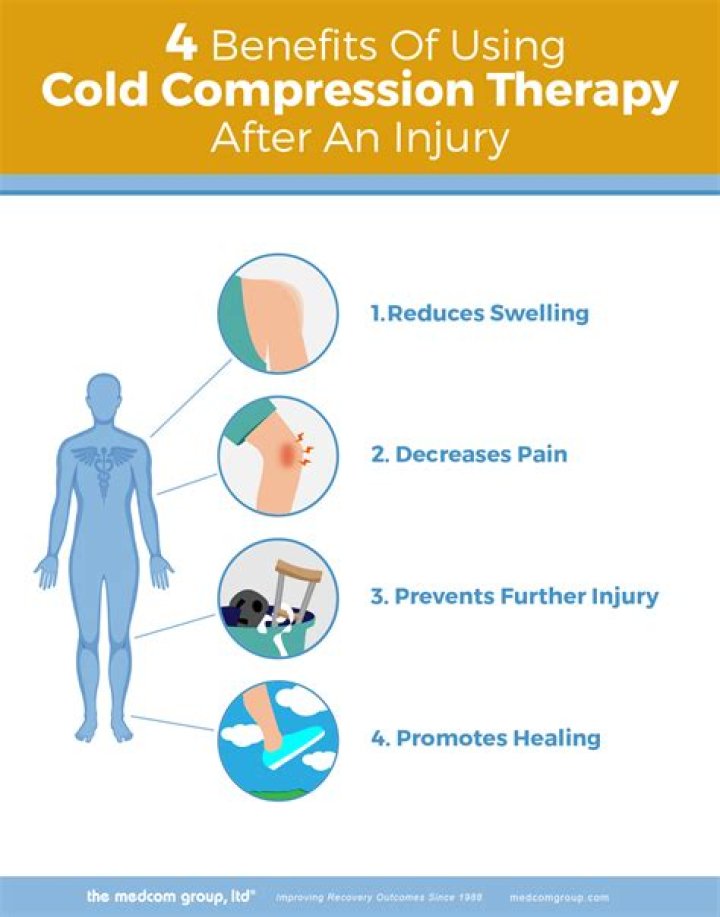
Rest the area and avoid activities that cause pain. For the first day or two, put an ice pack on the area 3–4 times a day for 15 minutes at a time. Put a towel between the ice and the skin to protect it from the cold. Use an elastic wrap to help support the groin and keep the swelling down.
What is the fastest way to relieve groin pain?
To speed the healing, you can:
- Ice the inside of your thigh to reduce pain and swelling. Experts recommend doing it for 20 to 30 minutes every 3 to 4 hours for 2 to 3 days, or until the pain is gone.
- Compress your thigh using an elastic bandage or tape.
- Take anti-inflammatory painkillers.
Is walking good for a groin strain?
Immediately following your consultation, your physical therapist may advise you to: Rest the area by avoiding walking or any activity that causes pain. Crutches may be recommended to reduce further strain on the muscles when walking. Apply ice packs to the area for 15 to 20 minutes every 2 hours.
What is groin pain a symptom of?
Groin pain can have many potential causes, including muscle strain, inguinal hernia, and kidney stones. Many causes are related to hip injuries or osteoarthritis. Less commonly, the pain may be related to nerves or have testicular origins. Rarely, it may be caused by an infection or tumor.
What can I take for groin pain?
Take an over-the-counter pain reliever such as ibuprofen (Advil, Motrin IB, others) or acetaminophen (Tylenol, others). Place an ice pack or bag of frozen peas, wrapped in a protective layer such as a towel, on the sore area for 20 to 30 minutes two to four times a day.
40 related questions foundIs heat good for groin pain?
After the initial swelling and inflammation has subsided, some people like to apply therapeutic heat. This can help loosen up stiff muscles and increase range of motion. Massage is another popular method for reducing tension in the groin muscles while recovering from a pull or tear.
How should I sleep with groin pain?
Ouch! A groin or hip injury can make sleeping painful. For groin and hip injuries, it's best to sleep on your side, always keeping the injured side facing the ceiling.
...
Best Sleeping Position For Hip Pain
- Use one memory foam pillow or no pillows under your head.
- Lie on your side.
- Place a pillow between your knees.
How do I know if my groin pain is serious?
Seek immediate medical attention if you have:
- Groin pain associated with back, abdomen or chest pain.
- Sudden, severe testicle pain.
- Testicle pain and swelling accompanied by nausea, vomiting, fever, chills or blood in the urine.
How long does a groin strain take to heal?
If you have a bad strain, you may walk with a limp while it heals. Rest and other home care can help the muscle heal. Healing can take up to 3 weeks or more. Your doctor may want to see you again in 2 to 3 weeks.
When should I worry about groin pain?
Most cases of groin pain do not require medical attention. However, you should see a doctor if you experience severe, prolonged pain accompanied by fever or swelling. These symptoms may indicate a more serious condition. Your doctor will evaluate your symptoms and ask about any recent physical activity.
Should I stretch my groin if it hurts?
You can begin stretching your groin muscles right away. Stretch gently and avoid any pain. If you have pain while doing these exercises, you should not do them. Standing groin stretch: Bend down and slide your injured leg out to your side.
What should you not do with a pulled groin?
Instead, rest is all about avoiding unnecessary strain on the groin, so avoid kicking, intense exercises such as running, and heavy lifting. If the pain is intense, avoid walking or any physical activity for a day or two following the injury.
Is naproxen good for groin strain?
Compress your thigh using an elastic bandage or tape. Non-steroidal anti-inflammatory drugs (NSAIDs), like ibuprofen and naproxen, will help with pain and swelling. Note: these should only be used for a short period, such as up to 1-2 weeks. Active stretching and strengthening exercises.
How do I know if I have a hernia or a pulled groin?
How do I know if I have a hernia or a pulled groin muscle? Feelings of dull aching and pain in the groin area are common for both a muscle strain and a hernia. A key indicator that you may have a hernia, however, is if you have a small bulge or lump on one side of the groin.
How do you release a trapped nerve in your groin?
Stand upright and put the leg on the side that feels pinched behind your other leg. Move your hip outward and lean to the opposite side. Extend the arm on the side of the affected part of the groin above your head and stretch it toward that side of your body. Hold this position for up to 20 seconds.
How do you know if you have pulled your groin?
Individuals with a torn groin injury may feel pain in other areas of the body, including the hip, pelvis, and lower back.
...
Symptoms of Pulled Groin
- Hearing a “pop” in the groin following time of injury.
- Sharp pain.
- Swelling.
- Bruising.
- Tightness.
- Leg weakness.
- Limping.
Where is groin pain located?
Groin pain refers to discomfort in the area where the abdomen ends and the legs begin. This article focuses on groin pain in men. The terms "groin" and "testicle" are sometimes used interchangeably. But what causes pain in one area does not always cause pain in the other.
Should you massage a pulled groin muscle?
After the acute stage of injury your doctor may recommend to start gently stretching the area (see some examples of stretches below), to apply heat to relax the tight muscles and may also recommend massage.
What kind of Dr do you see for groin pain?
Call your primary care provider when you have persistent groin pain. Some insurance companies may require a referral from your primary doctor for a specialist, such as a sports medicine doctor, orthopedist or urologist. Your doctor can also prescribe physical therapy.
What is chronic groin pain?
Chronic groin pain is an unfortunate potential side effect of having an inguinal hernia repair. This can often be debilitating for patients and impact all aspects of their life, including work, daily activities, and social interactions.
Can sitting cause groin pain?
And if you're sitting for 2-3 hours at a time this may lead to a bit of stiffness when you eventually do stand up and go for a walk, or may even lead to some pinching in the groin or hip when you go outside for a longer walk.
Why is groin pain worse at night?
Groin pain that is worse at night may be caused by osteoarthritis or tendonitis of the hip joints. If you are noticing it more when you are laying down to sleep, you may have an uncomfortable mattress or you may be sleeping in an unusual position.
Why is my groin pain getting worse?
However, recurrent episodes of groin pain, or pain that gets worse over time, might be the result of an underlying hip problem. Ryan Nunley, MD, Washington University orthopedist, explains, “Groin pain that comes from the hip typically develops slowly over time – without a specific injury or trauma.
Is ice or heat better for groin pain?
Put ice or a cold pack on your groin area for 10 to 20 minutes at a time. Try to do this every 1 to 2 hours for the next 3 days (when you are awake) or until the swelling goes down. Put a thin cloth between the ice and your skin. After 2 or 3 days, if your swelling is gone, apply heat.
Can you put Voltaren on your groin?
Good thing someone invented Voltaren. Its perfectly safe to apply to the groin area without the fear of lava on your bits. This product is a straight 10/10.”