Expect swelling/discomfort for up to one year after fracture, especially around the little finger side of the wrist. This is normal and does not mean there is anything to worry about. Your wrist and hand may also be very sensitive.
How do you reduce swelling after a broken wrist?
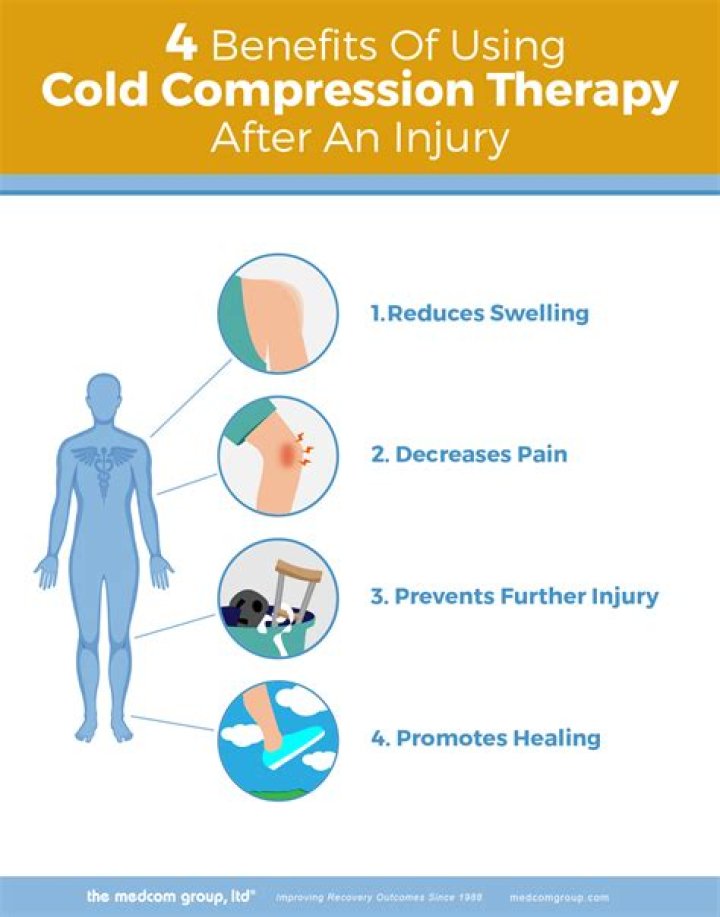
Icing your wrist will help reduce swelling and pain. Ice packs can generally be used for about ten minutes at a time, several times a day. Your doctor will be able to give you specific instructions. Compression dressings, such as bands or gloves, can help reduce swelling, and should be used when elevating your wrist.
How long does it take to get full range of motion after broken wrist?
In most cases, a patient who has undergone internal fixation surgery for a distal radius fracture may begin gentle wrist range of motion within 1 to 2 weeks of surgery, after which time a removable splint is used to support the hand.
How long does stiffness last after broken wrist?
Almost all patients will have some stiffness in the wrist, which will generally diminish in the month or two after the cast is taken off or after surgery, and will continue to improve for at least two years. You should expect your recovery to take at least a year.
Why do fingers swell with broken wrist?
“In most cases, the swelling of fingers in a context of wrist fracture is caused by a bandage that's too tight. We again see a symptom that shouldn't appear, and it constitutes, therefore, a sign of negative evolution.
30 related questions foundHow long should swelling last after an injury?
Phase 2: Inflammation (swelling)
Inflammation starts within the first hour or two after injury, peaks within 1-3 days but lasts at least a couple of weeks. This phase is when you will experience swelling and some heat around your injury. This is entirely normal and a natural part of your body's tissue healing process.
How do you reduce swelling from a broken bone?
Ice and elevation
Prop up the injured arm or leg on a pillow when you ice it or anytime you sit or lie down during the first 1 to 2 weeks after your injury. Try to keep it above the level of your heart. This will help reduce swelling and pain.
How do you know if a broken bone isn't healing?
Symptoms of a fracture that is not healing normally include tenderness, swelling, and an aching pain that may be felt deep within the affected bone. Often, the bone isn't strong enough to bear weight, and you may not be able to use the affected body part until the bone heals.
Can you speed up recovery from a broken wrist?
For hand and wrist injuries, so-called tendon glide exercises involving moving the thumb and fingers can help keep those tendons strong and supple. Physical therapy can also help you learn to move safely while your bone is immobilized. This promotes faster healing and helps avoid reinjury.
Should a broken wrist still hurt after 4 weeks?
It usually takes four to six weeks for new bone to form to heal your fracture. When the cast is removed most people find that their wrist is stiff, weak and uncomfortable to start with. It may also be prone to swelling and the skin dry or flaky, this is quite normal. It is normal to get some pain after your fracture.
When should I start strengthening after a distal radius fracture?
You will start these exercises 5-7 days after surgery, at your first hand therapy visit. Do the wrist/forearm/thumb exercises 3x/day out of your splint. The finger exercises can be done in the splint, every 2 hours.
Why is my hand swollen after cast removal?
After the cast has been removed, your limb will still require some time to complete the healing process and return to normal function. It is not unusual for joints to feel stiff and swollen immediately after plaster removal. Fortunately, physical or occupational therapy can help you regain muscle strength!
How long does it take a distal radius fracture to heal?
In case of severe trauma, like that caused by a motorcycle crash, some residual stiffness can remain for about 2 years or even permanently. Full distal radius fracture recovery generally takes about a year.
Is swelling normal after a fracture?
Swelling Goes Down
Swelling develops after you break a bone due to the rush of blood to the area. However, as the callus develops, swelling at the site will decrease.
What are the 5 stages of fracture healing?
However, these stages have considerable overlap.
- Hematoma Formation (Days 1 to 5) This stage begins immediately following the fracture. ...
- Fibrocartilaginous Callus Formation (Days 5 to 11) ...
- Bony Callus Formation (Days 11 to 28) ...
- Bone Remodelling (Day 18 onwards, lasting months to years)
What are the 4 stages of bone healing?
There are four stages in the repair of a broken bone: 1) the formation of hematoma at the break, 2) the formation of a fibrocartilaginous callus, 3) the formation of a bony callus, and 4) remodeling and addition of compact bone.
Does a broken wrist swell?
Expect there to be swelling and pain with a broken wrist. Sometimes there is an obvious deformity or misalignment, but other times the wrist may look normal aside from mild swelling. It is always best to see a specialist for a proper diagnosis and an X-ray.
What happens if a broken wrist doesn't heal properly?
After a bone is broken (fractured), the body will start the healing process. If the two ends of the broken bone are not lined up properly, the bone can heal with a deformity called a malunion. A malunion fracture occurs when a large space between the displaced ends of the bone have been filled in by new bone.
What slows down bone healing?
Smoking and high glucose levels interfere with bone healing. For all patients with fractured bones, immobilization is a critical part of treatment because any movement of bone fragments slows down the initial healing process.
Does itching mean a broken bone is healing?
As the broken toe is healing, it might start to itch. This is due to your body releasing histamines to the area during the inflammatory phase of healing.
Is swelling good for healing?
Swelling isn't good for us all the time. It initially helps by recruiting healing factors that accelerate how quickly cells migrate to the site of injury - but swelling is also bad because it destructs and distends the tissues, and distorts the anatomy.
What happens if swelling doesn't go down?
If your swelling is chronic, or lasts longer than 2-3 weeks, you should see your doctor. Your doctor will be able to recommend medication, exercise or therapy to resolve the swelling. Remember, swelling is the body's reaction to an injury; if the swelling is still present, so is the injury.
What is the difference between swelling and inflammation?
Swelling can occur when a part of the body becomes inflamed. However, it is caused by the accumulation of fluid in tissues throughout the body, or in a specific region of the body. As a result, swelling can actually occur within the body without inflammation occurring.
Why do you want to reduce swelling?
There are some who say, "swelling is the greatest enemy of healing." Early treatment for any acute sprain or injury is to limit painful swelling that occurs with inflammation. Holding off swelling altogether or at least reducing it may also improve joint function.
Is a distal radius fracture serious?
In severe cases, the fractured bone is so much out of place that it can't be corrected or realigned without making a surgical incision. An open wrist fracture will require surgical treatment as soon as possible. Surgical treatment methods can possibly affect the future use of the forearm or wrist.