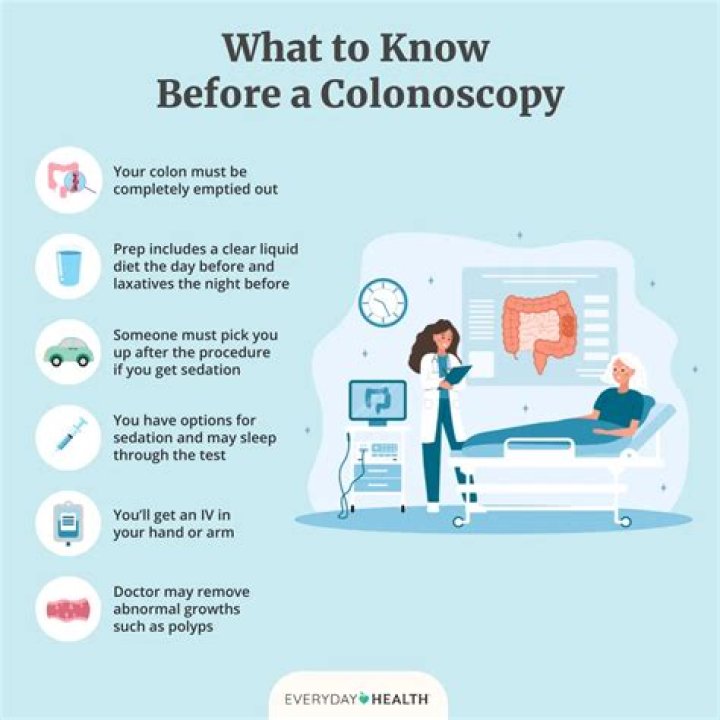
This translates to an estimated 53 percent reduction in the risk of death from colorectal cancer following the removal of precancerous adenomas during colonoscopy.
How effective is a colonoscopy in preventing colon cancer?
Patients who chose regular colonoscopies had very favorable results. Average risk patients with normal colonoscopy test results were 46 percent less likely to develop colon cancer and 88 percent less likely to die of colon cancer when screened at recommended ten-year intervals.
How many lives does colonoscopy save?
The investigators found that a colonoscopy reduced the risk of death from right-sided colorectal cancer by 46 percent and left-sided cancer by 72 percent, equaling a combined drop of 61 percent.
What is the mortality rate of a colonoscopy?
Fatal complications occurred between 0.23 and 0.91 per 10,000 participants undergoing colonoscopy after positive FIT. Our results suggest that the colonoscopy-related mortality was underreported in complication registries.
What percentage of colon cancer is detected by colonoscopy?
Samadder: Yes, for a long time physicians were under the impression that colonoscopy was 100% or nearly 100% protective from colorectal cancer, however, our data clearly shows that though colonoscopy is excellent, it can capture 94% of all colorectal cancer.
30 related questions foundWhat are the odds of getting colon cancer?
Overall, the lifetime risk of developing colorectal cancer is: about 1 in 23 (4.3%) for men and 1 in 25 (4.0%) for women. A number of other factors (described in Colorectal Cancer Risk Factors) can also affect your risk for developing colorectal cancer.
Is colon cancer curable at Stage 3?
Stage 3 colon cancer
This is because with surgery alone, less than half the people with stage 3 disease will be free of cancer 5 years later. Adjuvant chemotherapy can reduce this risk of recurrence by 30% to 50%, and it improves overall survival by 30%.
Are colonoscopies worth the risk?
While there are risks associated with even the most routine medical procedures, the benefits of a colonoscopy significantly outweigh the associated risks for people ages 45 to 75. The American Society for Gastrointestinal Endoscopy estimates that only three in 1,000 colonoscopies leads to serious complications.
Is 80 years old too old for a colonoscopy?
Conclusions: Colonoscopy in patients 80 or more years of age is safe, effective, and has a high diagnostic yield. Procedure times are slightly longer, and the ileoscopy rate is lower in this age group.
What percentage of colonoscopies have complications?
Studies estimate the overall risk of complications for routine colonoscopy to be low, about 1.6%. 1 In contrast, the lifetime risk for developing colo-rectal cancer is about 4-5%. 2 To put it into perspective: a person's average risk of developing colon cancer is higher than having a complication after a colonoscopy.
Are colonoscopies really needed?
Colonoscopies are not only an important screening tool, but actually preventive because they can detect precancerous polyps—abnormal growths in the colon or rectum—which can then be removed before they turn into cancer. “Not everyone needs to take the day off and come into the hospital to get a scope.”
Are colonoscopies helpful?
Colonoscopy is the most accurate test for cancer of the colon and rectum, proven to detect the disease early and save lives. But even a very good test can be done too often. Here's when you need it, and when you might not. Having a colonoscopy more than once every five or ten years usually isn't necessary.
Do screening colonoscopies save lives?
The US Preventive Services Task Force (USPSTF) recommends three CRC screening tests that are effective at saving lives: colonoscopy, stool tests (guaiac fecal occult blood test-FOBT or fecal immunochemical test-FIT), and sigmoidoscopy (now seldom done). Testing saves lives, but only if people get tested.
How fast can colon cancer develop after colonoscopy?
Among 126,851 patients who underwent colonoscopies, 2,659 were diagnosed with colorectal cancer; 6% of these colorectal cancers were found to have developed within 6 to 60 months after a colonoscopy.
Why do you only get a colonoscopy every 10 years?
Experts say the longer wait can work if the colonoscopy was a high-quality test and the person has no family history of the disease. Other experts, however, say there is risk in waiting longer than 10 years because colonoscopies can miss polyps that can later turn into cancerous cells.
Is 10 years too long between colonoscopies?
Guidelines recommend a 10 year interval between screening colonoscopies with negative results for average-risk individuals. However, many patients are examined at shorter intervals. We investigated outcomes of individuals with no polyps who had repeat colonoscopy in less than 10 years.
At what age is colonoscopy no longer recommended?
There's no upper age limit for colon cancer screening. But most medical organizations in the United States agree that the benefits of screening decline after age 75 for most people and there's little evidence to support continuing screening after age 85.
Why are colonoscopies not recommended after age 75?
“There are risks involved with colonoscopy, such as bleeding and perforation of the colon, and also risks involved with the preparation, especially in older people,” Dr. Umar said.
What age should a black man get a colonoscopy?
Most experts recommend Black men and women start routine colorectal cancer screenings at age 45 because of the higher incidence of disease and death. Many experts recommend all adults with average risk, regardless of race, start getting screened at age 45.
Do colonoscopies do more harm than good?
Yet screenings can have dire consequences. Medical complications during colonoscopies — such as intestinal tears — are almost twice as common in patients ages 75 to 79 compared with those 70 to 74, according to a study published in January in Annals of Internal Medicine.
Why are doctors pushing colonoscopy?
Colon Cancer Screening More Likely When People Are Given A Choice : Shots - Health News People are more likely to get screened for colon cancer when their doctor gives them a choice of methods. Pushing colonoscopies alone may keep people from getting screened at all, according to a new study.
What percentage of colonoscopies find polyps?
Here's what we know: As often as 40% of the time, a precancerous polyp — frequently a type called an adenoma — is found during a screening colonoscopy. Colon cancer is found during only in about 40 out of 10,000 screening colonoscopies, Dr.
Is chemo Worth it for colon cancer?
For advanced cancers that have spread to other organs like the liver, chemo can be used to help shrink tumors and ease problems they're causing. While it's not likely to cure the cancer, this often helps people feel better and live longer.
Can colon cancer go into remission?
A cure where the cancer is totally eradicated and will never return is rare at stage 4. However, remission, where symptoms are reduced or gone for a time, is possible.
At what stage of colon cancer do you need chemo?
In stage I colon cancer, surgery to remove the tumor is the only treatment needed. Stage III tumors, which are tumors that have spread to the lymph nodes, are treated with surgery followed by chemotherapy (called adjuvant chemotherapy; it is given after surgery to reduce the risk of a recurrence of the cancer).