Like a lot of knee injuries, a meniscus tear can be painful and debilitating. Unfortunately, it's quite common. In fact, a meniscal tear is one of the most frequently occurring cartilage injuries of the knee.
What does the pain of a torn meniscus feel like?
A popping sensation. Swelling or stiffness. Pain, especially when twisting or rotating your knee. Difficulty straightening your knee fully.
Where do you feel pain torn meniscus?
Symptoms of a meniscus tear may be different for each person, but some of the most common symptoms are: Pain in the knee joint: usually on the inside (medial), outside (lateral) or back of the knee. Swelling. Catching or locking of the knee joint.
How long does it take for a torn meniscus to heal without surgery?
Meniscus tears are the most frequently treated knee injuries. Recovery will take about 6 to 8 weeks if your meniscus tear is treated conservatively, without surgery. If your symptoms persist after 3 months or your symptoms become significant, your doctor may recommend surgery to repair the tear.
Can a meniscus tear heal on its own?
In the case of meniscus tears, some people think the injury will heal over time on its own. But the truth is that there are different types of meniscus tears — and some tears won't heal without treatment. If your tear is on the outer one-third of the meniscus, it may heal on its own or be repaired surgically.
29 related questions foundIs walking good for meniscus tear?
If your doctor has told you that you don't need surgery to repair your torn meniscus, you may be given the green light to walk. However, you'll want to be very careful about movements that might worsen the tear or cause you pain. Avoid squatting and pivoting, which are likely to place too much pressure on the knee.
How do you check yourself for a torn meniscus?
To test for a lateral meniscus tear (on the outer side of the knee), you'll be asked to turn your toes inward as far as your knees can rotate. You'll then squat and slowly stand up. A click or pain can indicate a meniscus tear.
Can you make a torn meniscus worse?
If you have a mild ache during the run, or a mildly sore knee after a run then you can often continue running. There is very little risk that running will worsen the tear. Meniscus tears can always worsen… remember, this is a process of degeneration.
What aggravates a torn meniscus?
You're most likely to injure your meniscus when suddenly twisting or turning while your foot is stationary and planted. You could injure your meniscus while playing sports, such as football, soccer, or baseball. You could also injure your meniscus off the field by lifting heavy boxes or slipping on a wet floor.
Does a torn meniscus hurt at night?
The most common problem caused by a torn meniscus is pain. This can be very severe with a combination of an ache and also sharper pains. The pain can be very bad at night. In the majority of cases it improves over six weeks and is much better at three months, although may last longer.
Does a torn meniscus throb?
Symptoms of a Meniscus Injury
Most patients will experience swelling and a throbbing or sharp, knee pain. The knee may also be stiff and feel instable. In addition, a clicking or popping sound will be heard. If the injury is small, symptoms will usually go away without treatment.
How do I know if I tore my MCL or meniscus?
How Can I Tell If I Tore My MCL? Signs & Symptoms to Watch For
- A popping sound when the injury is sustained.
- Pain (ranging from mild to severe depending on injury grade) on the inside of the knee.
- Instability, or feeling like the knee cannot bear weight and may give out.
- Knee stiffness.
Can you bend your knee if you have a torn meniscus?
You can fully bend and straighten your knee without pain. You feel no pain in your knee when you walk, jog, sprint, or jump. Your knee is no longer swollen. Your injured knee is as strong as your uninjured knee.
Which is worse lateral or medial meniscus tear?
It is hard to differentiate what type of tear is worse if it is repairable. However, it is well known that if a lateral meniscus is taken out, the consequences are almost always worse than having a medial meniscus resected.
What happens if you leave a torn meniscus untreated?
An untreated meniscus tear can result in the frayed edge getting caught in the joint, causing pain and swelling. It can also result in long term knee problems such as arthritis and other soft tissue damage.
Is heat or cold better for torn meniscus?
Too much cold will keep your injury in the same state - slowing down the healing process. This can sometimes make chronic injuries linger even longer. Heat (Circulation Boost) should be used when you suffer from a chronic, tight or stiff meniscus injury and after you reduce swelling, pain and inflammation with cold.
What to avoid when you have a torn meniscus?
The only way to prevent and avoid a torn meniscus is to avoid activities that cause the knees to twist, bend, or rotate in an extreme fashion. If a person cannot avoid these activities, they should take as much care as possible while participating in them.
How do you sleep with a torn meniscus?
3 Tips for Better Sleep After Meniscus Surgery
- Keep your bandages clean and dry. Before you go to bed, check the dressing around the surgery site to make sure everything is copacetic. ...
- Sleep on your back with the leg slightly elevated. ...
- Roll over to the “good leg” side. ...
- Try breathing exercises to help relax.
What does it mean when the outer side of your knee hurts?
Pain on the outer (or lateral) part of the knee can be caused by an injury. It may also be the result of inflammation in a band of tough fibrous tissue that runs down the outside of the thigh, and attaches to the front of the tibia (shin bone). Pain in this area may also be caused by arthritis.
How do you relieve meniscus pain?
Treatment
- Rest. Avoid activities that aggravate your knee pain, especially any activity that causes you to twist, rotate or pivot your knee. ...
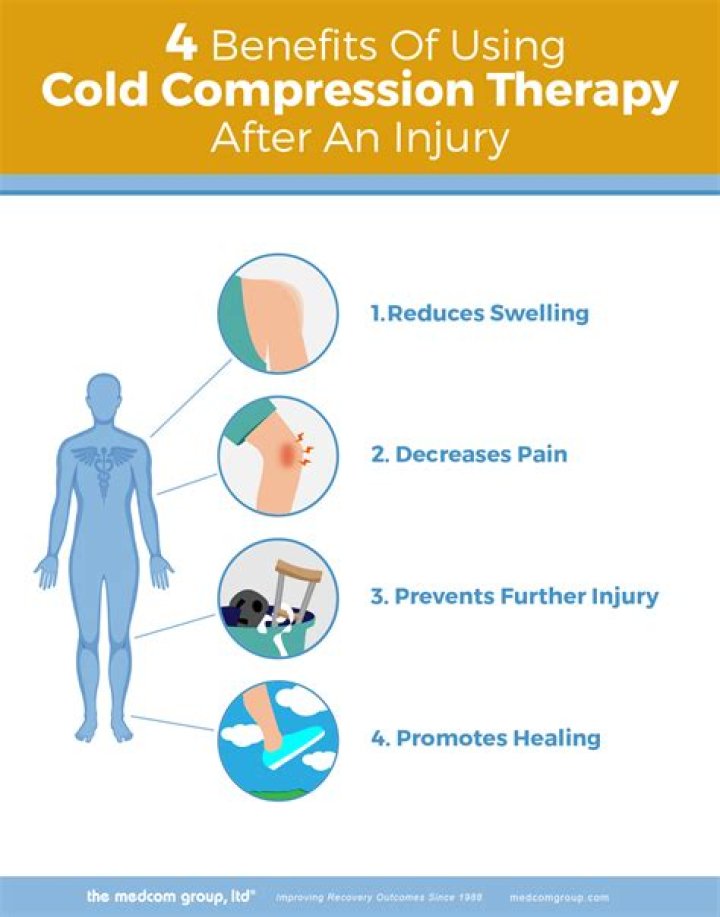
- Ice. Ice can reduce knee pain and swelling. ...
- Medication. Over-the-counter pain relievers also can help ease knee pain.
Do you need an MRI for a torn meniscus?
You may not need magnetic resonance imaging (MRI) or arthroscopy. If your symptoms are moderate to severe, or if your doctor thinks you have a meniscus tear and other knee injuries, he or she may recommend either an MRI or arthroscopy. Some doctors prefer to do arthroscopy instead of MRI.
What is the best painkiller for knee pain?
Over-the-counter medications — such as ibuprofen (Advil, Motrin IB, others) and naproxen sodium (Aleve) — may help ease knee pain. Some people find relief by rubbing the affected knee with creams containing a numbing agent, such as lidocaine, or capsaicin, the substance that makes chili peppers hot.
How do I know if my knee pain is serious?
Call your doctor if you:
- Can't bear weight on your knee or feel as if your knee is unstable or gives out.
- Have marked knee swelling.
- Are unable to fully extend or flex your knee.
- See an obvious deformity in your leg or knee.
- Have a fever, in addition to redness, pain and swelling in your knee.
How long should knee pain last before seeing a doctor?
Generally, athletes should see a healthcare provider for pain lasting more than 48 hours and other adults should see an expert if there seems to be no change for three weeks. Generally, most healthcare providers recommend that you schedule an appointment as soon as you notice that your symptoms impact the way you live.
How do I know if I need knee surgery?
It may be time to have knee replacement surgery if you have: Severe knee pain that limits your everyday activities. Moderate or severe knee pain while resting, day or night. Long-lasting knee inflammation and swelling that doesn't get better with rest or medications.