Polypoid polyps look like a mushroom, but flop around inside the intestine because they are attached to the lining of the colon by a thin stalk. Sessile polyps do not have a stalk, and are attached to the lining by a broad base.
Can you poop a polyp out?
The spontaneous expulsion per rectum of a colorectal polyp is exceedingly rare. Here, we report a rare and unusual case that we believe is the first of spontaneous expulsion of an adenomatous polyp during defecation.
Can a doctor tell if a polyp is cancerous by looking at it?
A gastroenterologist, the specialist who usually performs a colonoscopy, can't tell for certain if a colon polyp is precancerous or cancerous until it's removed and examined under a microscope.
What do cancerous polyp look like?
Most aren't cancerous (benign), but a polyp contains abnormal cells or cells that may become abnormal (malignant). A polyp is usually a flat bump or shaped like a mushroom. Cancerous polyps can develop in many places in your body, such as your colon or uterus.
What does a polyp in your look like?
Polyps are tissue growths that most often look like small, flat bumps or tiny mushroom-like stalks. Most polyps are small and less than half an inch wide. Uterine and colon polyps are the most common, but it's also possible to develop polyps in places that include the: ear canal.
42 related questions foundWhat color are colon polyps?
When a polyp is adenomatous, the color is more likely to be deep red or purple whereas the color of a non-adenomatous lesion tends to be yellow or white.
How long does it take to heal after colon polyp removal?
You shouldn't drive for 24 hours following a polypectomy. Recovery is generally quick. Minor side effects such as gassiness, bloating, and cramps usually resolve within 24 hours. With a more involved procedure, a full recovery can take up to two weeks.
What size of colon polyp is concerning?
If the polyps are larger (10 mm or larger), more numerous, or abnormal in appearance under a microscope, you may have to return in three years or sooner. If the exam finds no polyps, "your cancer risk is essentially the average for the population, and you can wait 10 years for the next screening," Dr. Saltzman says.
What size is considered a large polyp?
This image of the inside of the colon shows a large polyp. Large polyps are 10 millimeters (mm) or larger in diameter (25 mm equals about 1 inch).
Is a 2 cm polyp big?
Number and Size. Approximately 1% of polyps with a diameter less than 1 centimeter (cm) are cancerous. More than one polyp or a polyp that is 1 cm or bigger places you at higher risk for colon cancer. Up to 50% of polyps greater than 2 cm (about the diameter of a nickel) are cancerous.
What happens if a cancerous polyp is found during a colonoscopy?
If a polyp has cancerous cells, they will also biopsy nearby lymph nodes to determine if the cancer has spread or metastasized to other areas of the body. In this case radiation, chemotherapy or other therapies may be recommended. Colonoscopy screenings can be life saving!
How many polyps are normal in a colonoscopy?
An ADR of 25 %, the recommended screening threshold, corresponded to an average of 1.1 endoscopically detected polyps per procedure.
What happens if they find polyps during a colonoscopy?
A colonoscopy is considered positive if the doctor finds any polyps or abnormal tissue in the colon. Most polyps aren't cancerous, but some can be precancerous. Polyps removed during colonoscopy are sent to a laboratory for analysis to determine whether they are cancerous, precancerous or noncancerous.
What is the main cause of colon polyps?
A polyp is the result of genetic changes in the cells of the colon lining that affect the normal cell life cycle. Many factors can increase the risk or rate of these changes. Factors are related to your diet, lifestyle, older age, gender and genetics or hereditary issues.
Should I be worried about colon polyps?
Most colon polyps are harmless. But over time, some colon polyps can develop into colon cancer, which may be fatal when found in its later stages. Anyone can develop colon polyps.
Can you feel polyps in your colon?
Most polyps are asymptomatic, which means there are no symptoms. Most people don't know they have polyps until they're discovered during a colonoscopy. Because of this, it's important to keep up with colon cancer screening.
Is a 20mm polyp considered large?
“A diminutive polyp is only about the size of a match head,” he says. “A large polyp can be almost as big as the average person's thumb.” Polyps larger than 20 millimeters have a 10 percent chance of already having cancer in them.
Is a 4 cm polyp large?
Conclusion: A larger polyp size was significantly associated with increased severity of dysplasia and villous histology. Beyond 4 cm size, although the tendency for HGD continued to rise, the risk for invasive cancer appears to plateau off.
Is a 10 mm polyp big?
The larger the polyp becomes, the bigger the risk of it developing into colon cancer. That risk increases significantly if the polyp is greater than 10 mm (1 cm); research has shown the larger a colon polyp becomes, the more rapidly it grows.
What foods cause polyps?
fatty foods, such as fried foods. red meat, such as beef and pork. processed meat, such as bacon, sausage, hot dogs, and lunch meats.
Is a 3 cm polyp big?
Definition of a Complex or Difficult Polypectomy
In general, sessile or pedunculated polyps more than 2 cm in diameter are considered difficult polyps. Certainly, any polyps greater than 3 cm in diameter, or so-called giant polyps, represent the most challenging polyps.
Is it painful to have colon polyps removed?
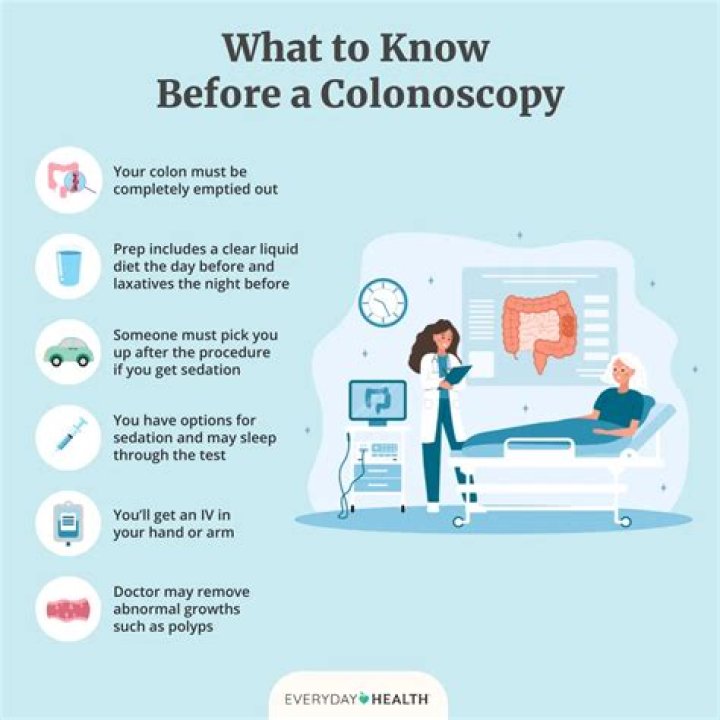
Polyp removal is not painful because the lining of the colon does not have the ability to feel pain. In addition, a sedative medication is given before the colonoscopy to prevent pain caused by stretching of the colon.
Will I feel better after colon polyp removal?
You may experience some discomfort and mild pain in the abdominal area as air is relieved from the procedure and leaves your colon. If you had a polypectomy, depending on the extent of the polyps removed, your recovery may take longer, up to 2 weeks, with some bleeding to be expected.
How long after a colonoscopy do you poop?
It could take 2 to 3 days before you have a bowel movement after your colonoscopy because you completely emptied your colon and rectum ahead of the procedure. You may notice a little bit of blood in your first stool after your colonoscopy, especially if your doctor removed a polyp or took a biopsy of abnormal tissue.
Can you feel polyps with your finger?
Diagnosis of Colorectal Polyps
A doctor may be able to feel polyps by inserting a gloved finger into the rectum, but usually polyps are discovered when colonoscopy is done to examine the entire large intestine.